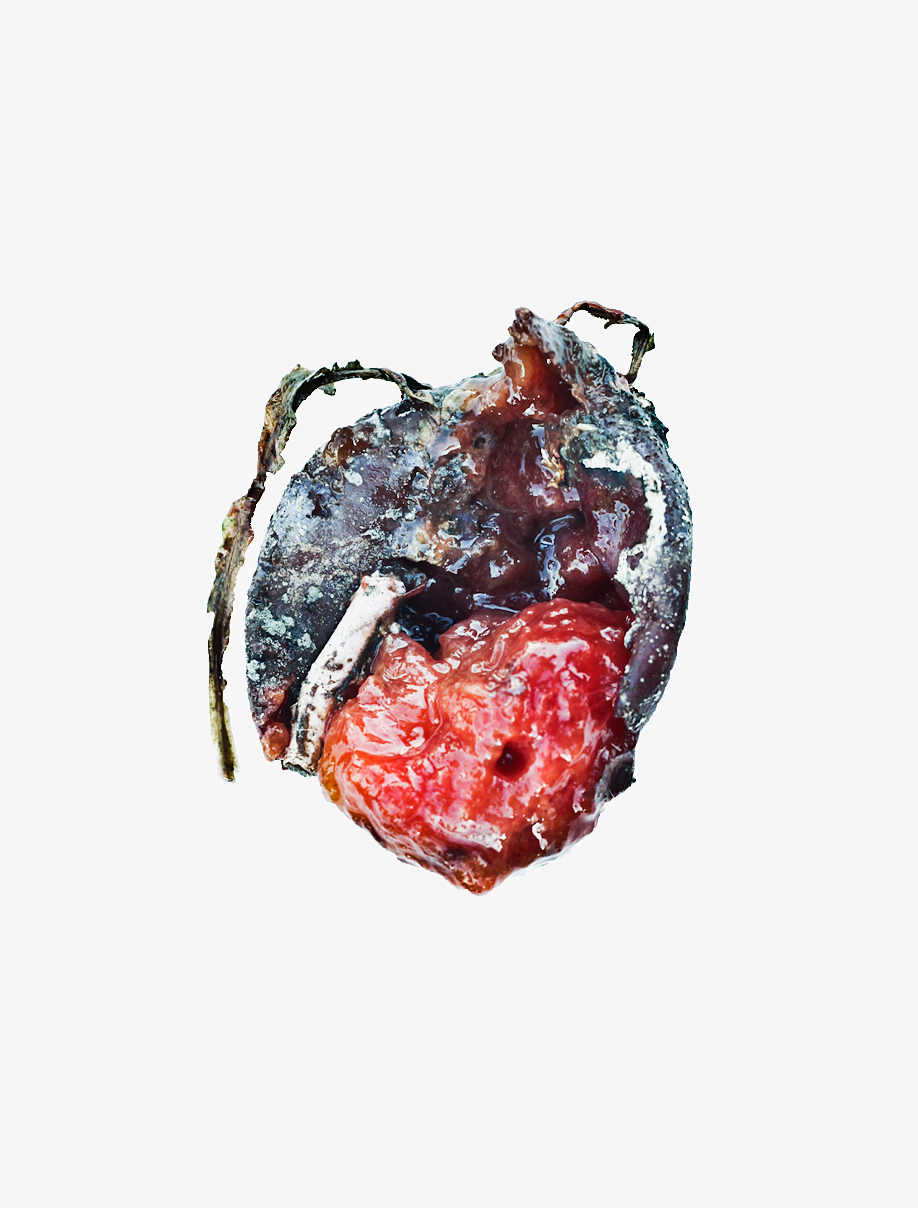
EDIBLE
Project By
About Project
Waste (also known as rubbish, trash, refuse, garbage, junk, litter) is unwanted or useless materials. In biology, waste is any of the many unwant… Read More
Waste (also known as rubbish, trash, refuse, garbage, junk, litter) is unwanted or useless materials. In biology, waste is any of the many unwanted substances or toxins that are expelled from living organisms; such as urea, sweat or feces. Litter is waste which has been disposed of improperly.
Waste is directly linked to human development, both technologically and socially. The compositions of different wastes have varied over time and location, with industrial development and innovation being directly linked to waste materials. An Examples of this include plastics and nuclear technology. Some components of waste have economical value and can be recycled once correctly recovered.
Recycling is processing used materials (waste) into new products to prevent waste of potentially useful materials, reduce the consumption of fresh raw materials, reduce energy usage, reduce air pollution (from incineration) and water pollution (from landfilling) by reducing the need for “conventional” waste disposal, and lower greenhouse gas emissions as compared to virgin production.
Waste is sometimes a subjective concept, because items that some people discard may have value to others. It is widely recognized that waste materials are a valuable resource, whilst there is debate as to how this value is best realized. Such concepts are colloquially expressed in western culture by such idioms as “One man’s trash is another man’s treasure.”
There are many waste types defined by modern systems of waste management, notably including:
Мunicipal Waste includes household waste, commercial waste, demolition waste
Hazardous Waste includes Industrial waste
Bio-medical Waste includes clinical waste
Special Hazardous waste includes radioactive waste, Explosives waste, E-waste
There are many issues that surround reporting waste. It is most commonly measured by size or weight, and there is a stark difference between the two. For example, organic waste is much heavier when it is wet, and plastic or glass bottles can have different weights but be the same size. On a global scale it is difficult to report waste because countries have different definitions of waste and what falls into waste categories, as well as different ways of reporting. Based on incomplete reports from its parties, the Basel Convention estimated 338 million tonnes of waste was generated in 2001. For the same year, OCED estimated 4 billion tonnes from its member countries. Despite these inconsistencies, waste reporting is still useful on a small and large scale to determine key causes and locations, and to find ways of preventing, minimizing, recovering, treating, and disposing waste.
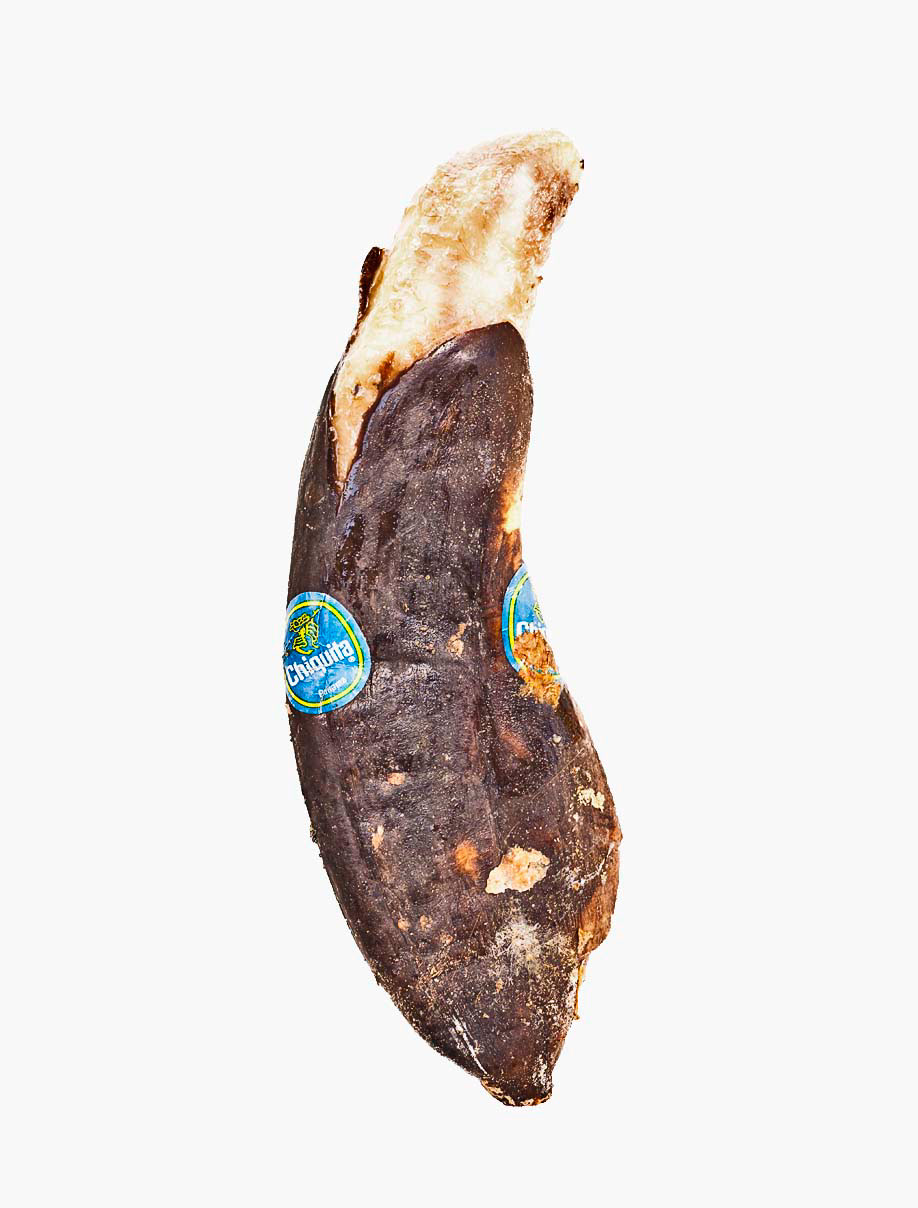
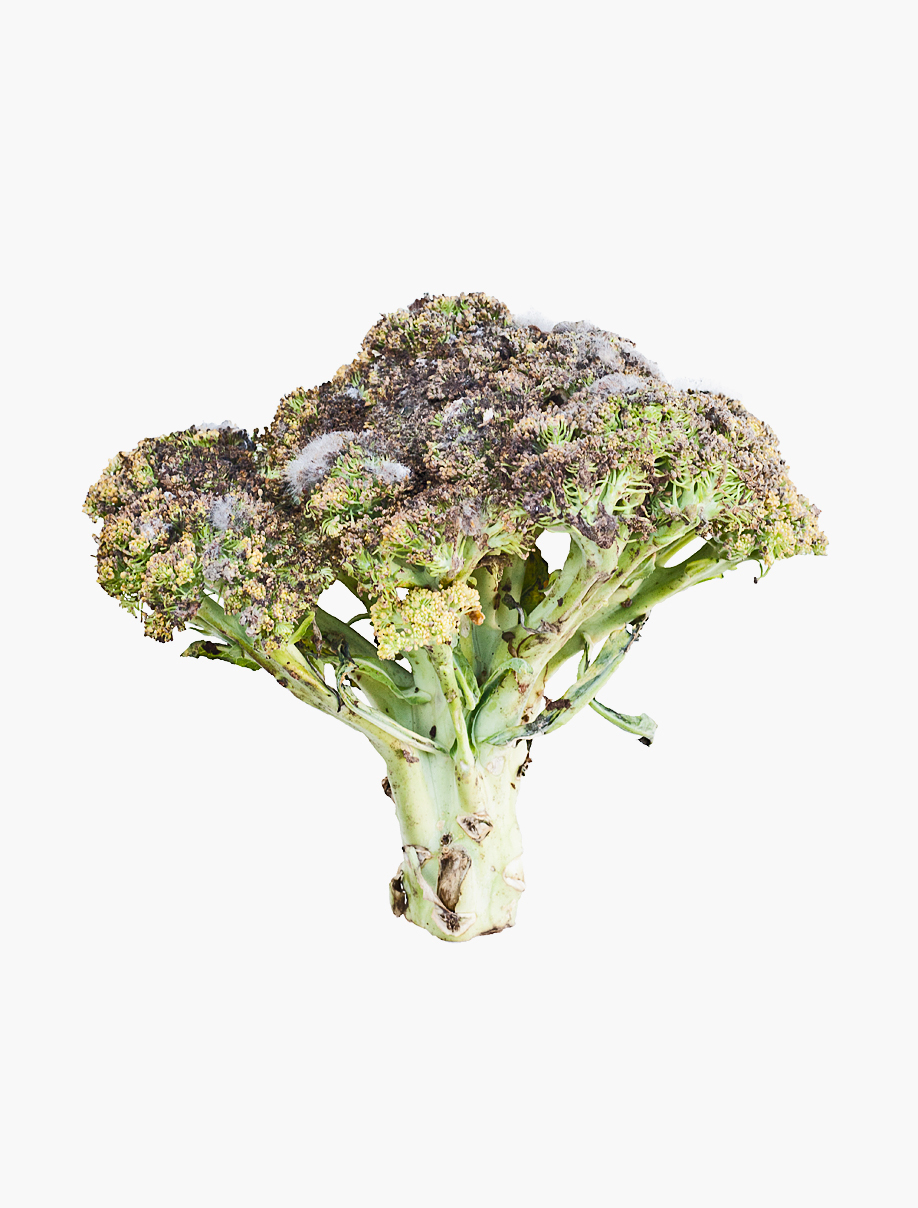
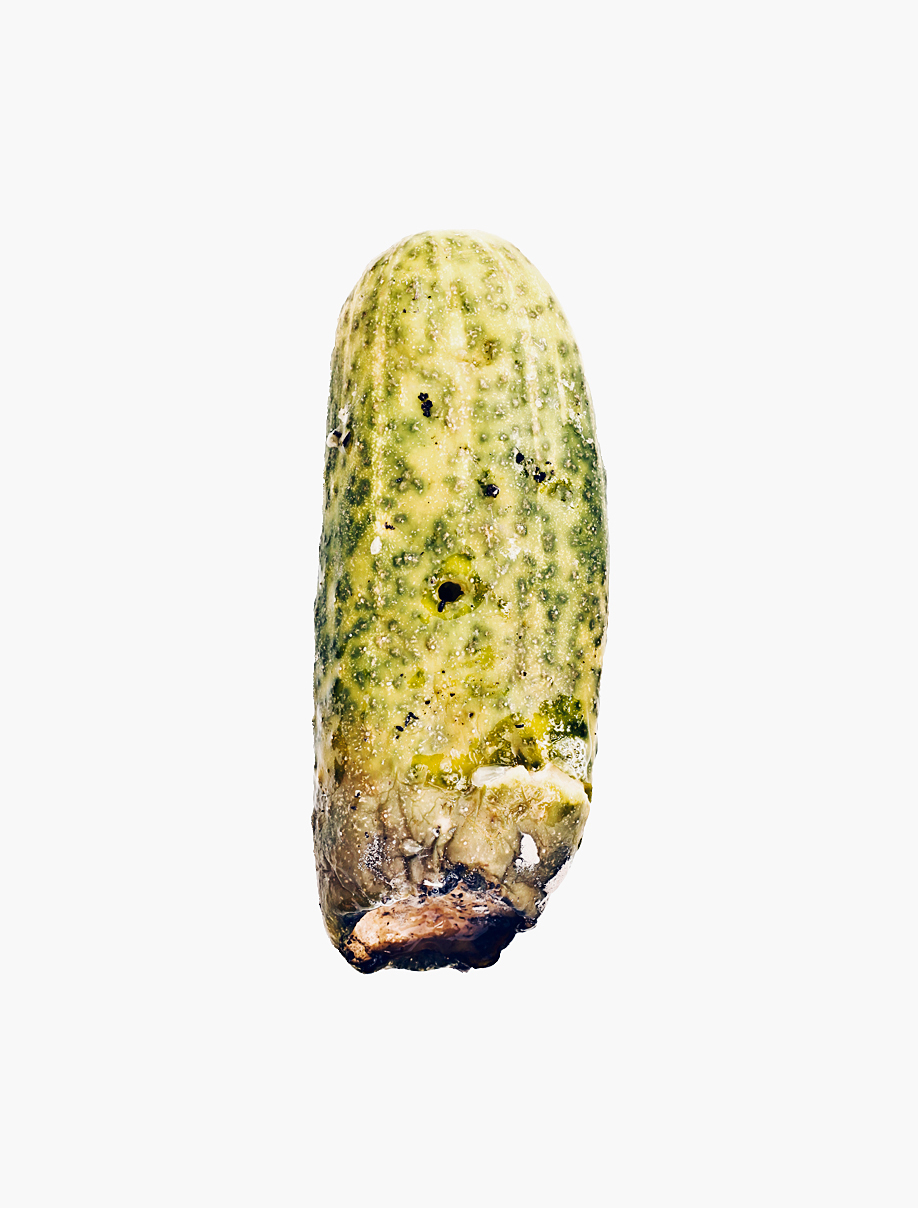
Biodegradable waste is a type of waste, typically originating from plant or animal sources, which may be degraded by other living organisms. Waste that cannot be broken down by other living organisms are called non-biodegradable.
Biodegradable waste can be commonly found in municipal solid waste (sometimes called biodegradable municipal waste, or BMW) as green waste, food waste, paper waste, and biodegradable plastics. Other biodegradable wastes include human waste, manure, sewage, slaughterhouse waste. In the absence of oxygen much of this waste will decay to methane by anaerobic digestion. Read Less
Waste is directly linked to human development, both technologically and socially. The compositions of different wastes have varied over time and location, with industrial development and innovation being directly linked to waste materials. An Examples of this include plastics and nuclear technology. Some components of waste have economical value and can be recycled once correctly recovered.
Recycling is processing used materials (waste) into new products to prevent waste of potentially useful materials, reduce the consumption of fresh raw materials, reduce energy usage, reduce air pollution (from incineration) and water pollution (from landfilling) by reducing the need for “conventional” waste disposal, and lower greenhouse gas emissions as compared to virgin production.
Waste is sometimes a subjective concept, because items that some people discard may have value to others. It is widely recognized that waste materials are a valuable resource, whilst there is debate as to how this value is best realized. Such concepts are colloquially expressed in western culture by such idioms as “One man’s trash is another man’s treasure.”
There are many waste types defined by modern systems of waste management, notably including:
Мunicipal Waste includes household waste, commercial waste, demolition waste
Hazardous Waste includes Industrial waste
Bio-medical Waste includes clinical waste
Special Hazardous waste includes radioactive waste, Explosives waste, E-waste
There are many issues that surround reporting waste. It is most commonly measured by size or weight, and there is a stark difference between the two. For example, organic waste is much heavier when it is wet, and plastic or glass bottles can have different weights but be the same size. On a global scale it is difficult to report waste because countries have different definitions of waste and what falls into waste categories, as well as different ways of reporting. Based on incomplete reports from its parties, the Basel Convention estimated 338 million tonnes of waste was generated in 2001. For the same year, OCED estimated 4 billion tonnes from its member countries. Despite these inconsistencies, waste reporting is still useful on a small and large scale to determine key causes and locations, and to find ways of preventing, minimizing, recovering, treating, and disposing waste.
Biodegradable waste is a type of waste, typically originating from plant or animal sources, which may be degraded by other living organisms. Waste that cannot be broken down by other living organisms are called non-biodegradable.
Biodegradable waste can be commonly found in municipal solid waste (sometimes called biodegradable municipal waste, or BMW) as green waste, food waste, paper waste, and biodegradable plastics. Other biodegradable wastes include human waste, manure, sewage, slaughterhouse waste. In the absence of oxygen much of this waste will decay to methane by anaerobic digestion. Read Less
Published: September 30, 2011
- Views839
- Appreciations34
- Comments2
Share Project
Tools Used (2)
Project Copyright Info
Report Copyright Info:Attribution Non-commercial
No Derivatives
Read More
No Derivatives
Read More
Gallery Sponsor
Project By
Save to Collection
Share Project


Discuss This Project: ( Comments)