
Alpheus Truett House, 1848
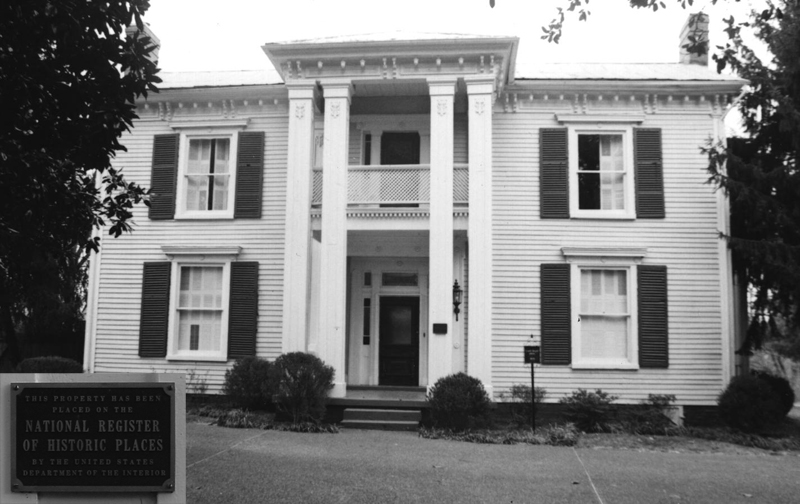
Photo: Heritage Foundation of Williamson County (undated)
The Apheus Truett House was listed on the National Register of Historic Places in 1988. Built in 1846, it is a notable example of a two-story vernacular I-house structure and is one of about thirty significant brick and frame residences surviving in Williamson County built from 1830 to 1860.
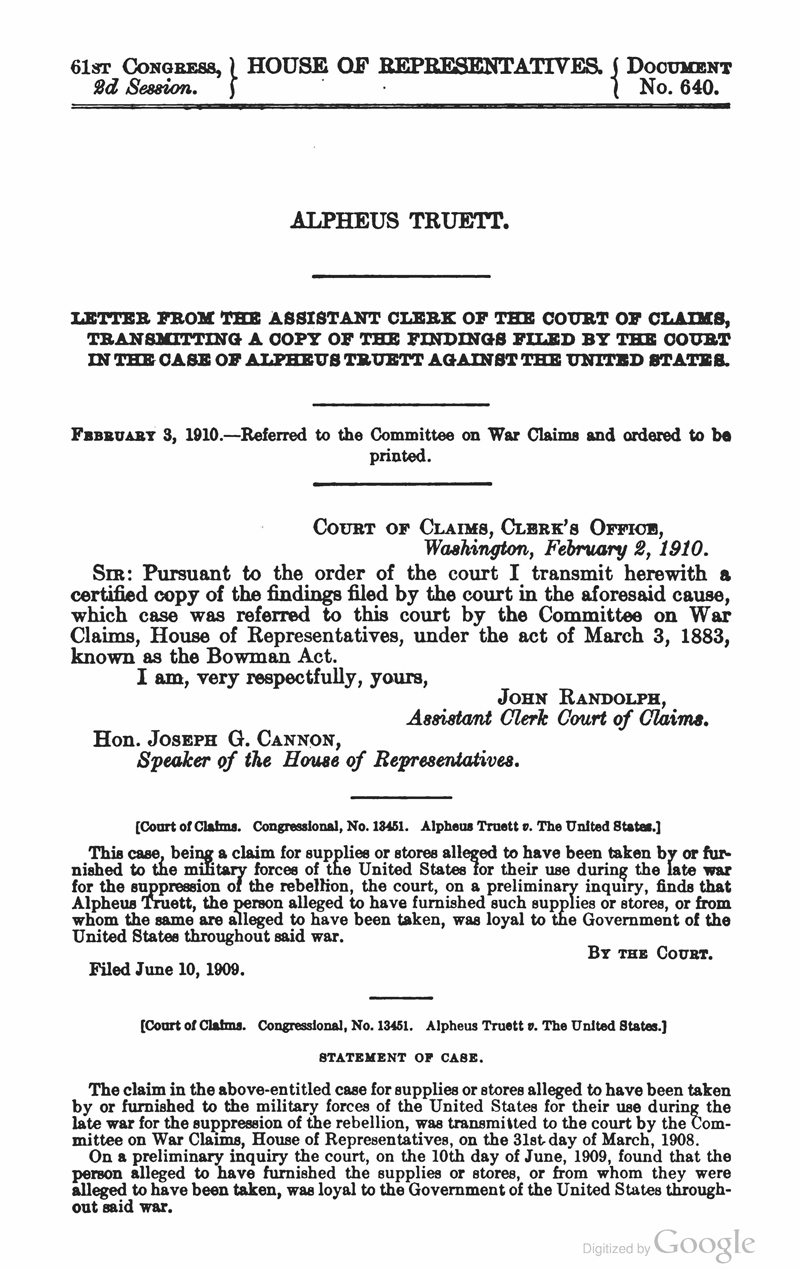
During the American Civil war, the Truett house was commandeered by Union Major General John M. Schofield to be used as his headquarters during the Battle of Franklin. A half-century later (1915), the Truett family received reparations in the form of a $1,787 US government check for damages. Following the Truett’s ownership, the property passed to three different families and fell into a slight state of disrepair until its purchase in 1994 by its current owners. After a tornado cut a wide path of destruction through the entire property in 2003, massive restoration and clean-up efforts were required, the most important of which was to restore function and circulation to the home. This was accomplished by adding the guest house and garage that year, along with new car paths and walkways, all of which formed connections with the existing points of entry to the home.
Although the buildings could be restored, what could not be replaced were the beloved groves full of large, old-growth trees that were demolished by the storm. Large-scale replanting of trees occurred in 2007 and 2008, when a brick wall was also constructed, to enclose the private gardens and terraces. This wall, along with the new vegetation, provides a significant buffer from the outside traffic along Liberty Pike, Franklin Road and the bustling historic Factory at Franklin.
The house underwent a major renovation and expansion in which a 2,000 square foot addition was built on the rear of the home, which was intended to be a juxtaposition of past and present. The front and south facing facades and landscape were preserved and are historically accurate and the finished product is respectful of the intent of its original design.

Photos: Union Maj. Gen. John M. Schofield (1864), Map of Battle of Franklin by Hal Jespersen








Master Planning and Landscape Architecture by Charles Rulick, Photography by Lynsey Waddill


